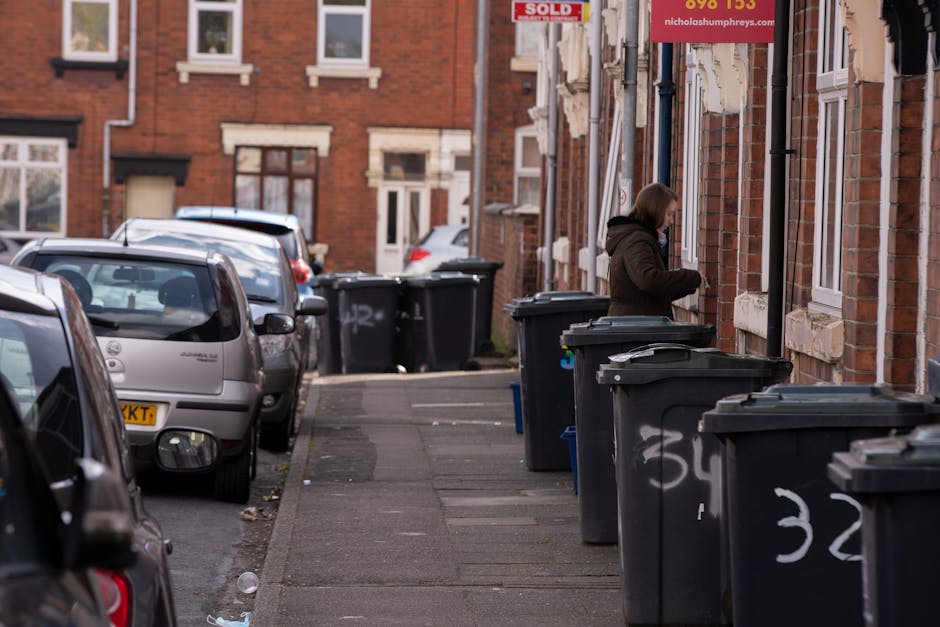
Small flat rubbish collection near Manor Park station

If you live in a compact flat and the rubbish is starting to pile up, the job can feel bigger than the space itself. Old boxes under the bed, a broken chair by the hallway, a bag of mixed junk you keep stepping around every morning - it all gets in the way. Small flat rubbish collection near Manor Park station is designed for exactly that kind of situation: quick, careful removal from homes where access is tight, storage is limited, and you need the mess gone without turning the place upside down.
This guide explains how it works, what to expect, what to avoid, and how to choose the right collection approach for a small flat near Manor Park station. You will also find practical steps, a useful checklist, and a straight comparison of common disposal options so you can make a sensible decision without faffing about.
Expert summary: For small flats, the best rubbish collection service is usually the one that combines careful access planning, clear pricing, responsible disposal, and a tidy turnaround. Fast matters. But so does not blocking the stairwell or leaving you with a half-finished job.
- Why this kind of collection matters in a small flat
- How the collection process works
- Key benefits and practical advantages
- Who it is for and when it makes sense
- Step-by-step guidance
- Expert tips for better results
- Common mistakes to avoid
- Tools, resources and recommendations
- Law, compliance, standards and best practice
- Options and comparison table
- Real-world example
- Practical checklist
- Conclusion
- Frequently asked questions
Why Small flat rubbish collection near Manor Park station Matters
Small flats create a very specific rubbish problem. There is rarely a spare cupboard for bulky waste, bin storage is often shared, and collection windows may be awkward. Add in narrow hallways, upper floors, or limited parking nearby and even a few unwanted items can become a nuisance.
That is especially true around busy transport areas like Manor Park station, where day-to-day routines are packed and you may not have time to keep shuffling waste from one corner to another. A proper collection service helps you regain usable space quickly, and that matters more than people sometimes admit. A cluttered flat feels smaller, hotter, and more stressful. A clear one feels calmer straight away.
There is also a practical angle. Rubbish left too long can attract smells, dust, pests, or simply become a trip hazard. For renters, it can look untidy during inspections. For landlords or letting agents, a swift clearance helps between tenancies. For anyone working from home, it can be the difference between a liveable room and a storage cupboard with a kettle in it. Not ideal.
If your waste includes old furniture, a damaged mattress, or a broken appliance, it is often smarter to use a service that handles mixed loads carefully. You can also explore related support such as flat clearance for broader clear-out needs or furniture disposal if the main issue is bulky household items.
How Small flat rubbish collection near Manor Park station Works
The process is usually simpler than people expect, provided the provider understands flat access and the kind of waste involved. In most cases, it starts with a quick description of what you want removed. If you can, give a rough idea of volume, item type, and access details. Are you on the second floor? Is there a lift? Do items need carrying through communal areas? These details matter more than you might think.
From there, the collection team usually confirms a price or a quote range, then agrees a time slot. On the day, the team arrives, checks the waste, and removes items in a way that keeps disruption low. Good operators will protect walls where needed, avoid dragging items along floors, and keep the shared hallway clear. That may sound obvious, but anyone who has had a sofa wedged sideways in a stairwell knows it is not always handled well.
For smaller clearances, the job may be completed in one visit. For mixed waste, the team may sort items into reusable, recyclable, and general waste streams. If you have specialist items such as a fridge, mattress, or hazardous material, it is important to say so early. For example, a service that offers fridge and appliance removal will usually handle those items more appropriately than a basic junk pickup.
One thing to watch: access around stations and busy streets can be tighter during certain times of day. A provider familiar with local conditions will usually plan around that and avoid turning a simple job into a parking headache.
What a good collection usually includes
- Arrival within the agreed time window
- Clear communication before and during the visit
- Manual loading from inside the flat where needed
- Careful handling in stairs, lifts, and shared corridors
- Responsible disposal or recycling after collection
- Final area sweep so the space is left tidy
Key Benefits and Practical Advantages
The obvious benefit is space. A small flat can feel almost double the size once the clutter goes. But there are a few other advantages that are worth spelling out.
1. Less stress, quicker decisions. When rubbish sits around, you keep noticing it. That low-level annoyance builds up. Once removed, the room feels easier to use and easier to clean.
2. Better use of limited storage. In a compact home, every square foot counts. Removing dead furniture, broken items, and bagged waste frees up room for things that actually matter.
3. Safer movement through the flat. This is a real one. Narrow walkways, open boxes, and loose items near doors can become annoying or unsafe, especially if you are carrying laundry, shopping, or children's things.
4. Less hassle than doing it yourself. You could make several trips to a tip, but that means lifting, sorting, parking, and time off work. For many people, that is simply not worth it.
5. Better outcomes for mixed waste. A proper waste team can separate recyclable items, furniture, and general rubbish more responsibly than a rushed DIY clear-out.
If you want a broader picture of disposal options, it may also help to read about waste removal and recycling and sustainability. Those pages are useful if you are trying to understand what happens after collection, not just how to get rid of the mess.
Who This Is For and When It Makes Sense
This service is a strong fit for people who need waste removed from a small home without major disruption. In practice, that usually means:
- Tenants clearing out before a move
- Landlords preparing a flat between occupants
- Homeowners making room after a declutter
- People dealing with a few bulky items rather than a full house clear-out
- Shared flat residents splitting the job after a tenancy ends
- Anyone without access to a van or the time to make repeated disposal trips
It also makes sense when the waste is awkward. A couple of dismantled wardrobes, a tired mattress, a busted washing machine, and a pile of cardboard can be hard to shift on your own. Mixed waste like that is where a collection service earns its keep.
On the other hand, if you have a very tiny amount of waste, a normal bin run may be enough. If you have a bigger volume from a renovation, then a more structured service, such as builders waste clearance, might be more appropriate. For a home-wide reset, home clearance or house clearance could be the better route.
Step-by-Step Guidance
If you want the process to go smoothly, do a little preparation first. Nothing dramatic. Just enough to avoid confusion on the day.
- Sort your waste into broad groups. Separate general rubbish, cardboard, furniture, appliances, and any items you are unsure about.
- Measure awkward or bulky items. A quick tape measure check helps, especially for wardrobes, mattresses, or oversized chairs.
- Check access. Note the floor level, whether there is a lift, and whether parking or loading space is limited near the property.
- Identify anything special. Tell the provider about fridges, electronics, confidential paper, or potentially hazardous material.
- Request a clear price explanation. A good quote should make sense. If it feels vague, ask what is included.
- Book a time that suits your building. Mid-morning or early afternoon is often easier than very late or very early slots, though every building is different.
- Clear a route to the door. Move shoes, umbrellas, bags, and anything else that might slow the team down.
- Be present or reachable. A quick decision on one item can save a lot of back-and-forth.
It can help to treat the job like clearing a pathway rather than "doing the whole flat". That mindset makes the process feel smaller and, frankly, more manageable.
A simple decision rule
If the item is bulky, difficult to move, or risky to leave sitting around, collection is usually the sensible choice. If it is light, non-urgent, and easy to carry, a DIY disposal route may be fine. Simple enough, really.
Expert Tips for Better Results
A good rubbish collection experience is rarely about luck. It is usually about planning the small details that other people skip.
Give item photos if possible. A few photos can help the provider judge volume and access. That often leads to a more accurate quote and fewer surprises.
Tell them about stair turns and narrow landings. A one-bedroom flat with a tight corner can be trickier than a bigger place with a straight staircase. The shape of the building matters.
Don't leave unknown items mixed in. If you have a bag of general rubbish with an old battery or something chemical in it, separate it first. That protects everyone and avoids delays.
Book before the clutter becomes overwhelming. People often wait until the situation feels urgent. Truth be told, earlier is usually cheaper and easier than leaving it until the hallway looks like a moving day exploded.
Choose a provider that takes safety seriously. Insurance, manual handling, and proper disposal practices are not "nice to have". They are basic expectations. If you are comparing options, pages like insurance and safety and health and safety policy are worth reading for peace of mind.
Ask about disposal routes. You do not need a lecture, but you do want to know whether recyclable and reusable items are being separated properly. Responsible disposal should feel normal, not mysterious.
Common Mistakes to Avoid
Most problems with small flat rubbish collection are surprisingly avoidable. A few predictable mistakes cause most of the friction.
- Underestimating volume. A couple of black bags can quickly turn into six once you start clearing drawers and cupboards.
- Forgetting access issues. If the lift is out of service or parking is restricted, mention it early. Last-minute surprises are annoying for everyone.
- Mixing restricted items into normal rubbish. Fridges, certain appliances, and anything hazardous need extra care.
- Booking too late. If you are moving out tomorrow, the job becomes more stressful than it needs to be.
- Assuming every service handles every item. Some providers are better suited to furniture, others to mixed waste, and some to specialist loads.
Another quiet mistake is leaving the job half done because it feels "small enough". That works until it doesn't. One sofa, three bags, and a broken desk can take over a compact living room in minutes.
Tools, Resources and Recommendations
You do not need a mountain of equipment for a small flat clear-out, but a few basics help.
- Heavy-duty bags: useful for mixed waste, but avoid overfilling them
- Labels or marker pens: helpful if you want to separate keep, donate, recycle, and remove
- Tape measure: handy for bulky items and tight doorways
- Gloves: useful for dusty loft items, old storage boxes, or awkward cardboard
- Simple checklist: keeps you focused if you are clearing more than one room
If you are not sure whether an item belongs in a skip or a collection load, the page on what can go in a skip gives a useful sense of what is usually accepted and what needs separate treatment. For items that are still usable, consider whether they can be reused, passed on, or donated before disposal. That is often the least wasteful option, and often the cleanest one too.
For furniture-heavy jobs, furniture clearance can be a better match than general rubbish removal. And if the job is mostly a single awkward item, such as a mattress or sofa, the dedicated pages for mattress and sofa disposal are worth a look.
Law, Compliance, Standards, or Best Practice
Waste collection in the UK should always be handled responsibly. You do not need to become an expert in waste law to book a collection, but you should expect proper care with sorting, transport, and disposal. In plain English: your rubbish should not end up dumped somewhere it should not be.
Best practice usually includes suitable vehicles, correct handling of different waste types, and a clear approach to recycling where practical. If confidential paper is involved, it should be treated separately. That is where services such as confidential shredding become relevant. If you have substances or materials that may be classed as hazardous, they should be handled through the right route rather than mixed into general waste. The dedicated hazardous waste disposal page is the sensible place to start if you are unsure.
In a small flat, compliance also means respecting shared spaces. Hallways, stairwells, and entrances should be kept clear as much as possible. A decent collection team will work with that in mind. It sounds basic, but basic is what keeps everyone safe and keeps neighbours happy. And, let's be honest, nobody wants to spend an evening apologising to the person downstairs because a chair scraped the banister.
For homeowners and tenants alike, the practical standard is simple: know what you have, say what you have, and let the right team remove it correctly. If you need a fuller picture of company standards, about us is useful background, while terms and conditions and payment and security help set expectations around booking and payment.
Options, Methods, or Comparison Table
There are a few ways to deal with rubbish from a small flat. The best one depends on the amount, the item type, and how much time you have.
| Option | Best for | Advantages | Limitations |
|---|---|---|---|
| DIY trips to a tip | Very small volumes | Can be low cost if you already have transport | Time-consuming, tiring, parking and lifting headaches |
| Bag-and-bin disposal | Light household rubbish | Simple for everyday waste | Not suitable for bulky, heavy, or restricted items |
| Skip hire | Larger jobs with enough access | Useful for ongoing projects | Space can be an issue near flats; loading may be awkward |
| Man and van style collection | Mixed waste in small flats | Flexible, quick, often easier in tight access areas | Needs good quoting and accurate item details |
For many people near Manor Park station, the man-and-van style collection is the sweet spot. It tends to suit smaller homes, busy schedules, and awkward access better than a skip outside a building. If you are weighing up whether a skip is realistic, the page on what can go in a skip is useful for understanding the kind of waste that works best in that model.
Case Study or Real-World Example
Picture a one-bedroom flat not far from Manor Park station. The living room has become a storage zone after a move was delayed. There is a collapsed bedside table, two bagged piles of mixed rubbish, an old office chair, a broken microwave, and a mattress leaning against the wall. Nothing dramatic on its own. Together, though, it makes the flat feel tight and awkward.
The resident sends a few photos, confirms that the lift is small but working, and mentions the narrow shared corridor. The collection team arrives in the agreed window, checks the load, and removes the items without blocking the entrance. The mattress goes first because it is bulky, then the chair, then the smaller bags and appliance. The whole thing is done in one visit, and the flat suddenly feels usable again.
That kind of job is common. Not glamorous. Just useful. And honestly, that is enough.
If the flat also needs a deeper sort-out after the rubbish is gone, a broader service such as loft clearance or garage clearance may be relevant if those spaces are part of the clutter too.
Practical Checklist
Use this before you book or on the morning of collection. It keeps things tidy and avoids backtracking.
- Have you listed every item to be removed?
- Do you know whether any items are bulky, heavy, or fragile?
- Have you checked access, stairs, lifts, and parking limitations?
- Have you separated electronics, hazardous items, and confidential material?
- Do you know whether you need furniture, appliance, or general rubbish handling?
- Have you cleared a path from the flat to the exit?
- Have you confirmed the collection time and any arrival instructions?
- Do you understand the pricing basis and what is included?
- Have you kept anything you want to retain out of the pile?
- Are you happy with the disposal route and the provider's approach to recycling?
If your flat is especially full, it can also help to plan room by room. Kitchen first. Then living space. Then bedroom. One little pocket of progress at a time. That approach works better than trying to conquer the entire place in one exhausted afternoon.
Get a free quote today and see how much you can save.
Conclusion
Small flat rubbish collection near Manor Park station is really about making life easier in a space that does not have much room to spare. Whether you are clearing a few heavy items, preparing for a move, or simply trying to get your flat back under control, the right collection service can save time, effort, and a fair amount of stress.
The key is to be specific, plan access properly, and choose a provider that handles disposal responsibly. When those pieces line up, the whole job feels lighter. The room looks better, the flat feels calmer, and you can get on with actual life again - which, let's face it, is the whole point.
For a service-focused next step, you can explore book online or use contact us if you want to talk through the job first. If you value clarity on pricing before you commit, pricing and quotes is a sensible page to review too.
And once the clutter is gone, the flat usually feels a bit more like home. That part never gets old.
Frequently Asked Questions
What counts as small flat rubbish collection?
It usually means removing a modest amount of waste from a flat, such as a few bags, a broken chair, boxed clutter, small furniture, or mixed household rubbish. It is less about full-property clearance and more about practical, targeted removal.
Is small flat rubbish collection suitable for flats near Manor Park station?
Yes. Flats close to transport links often benefit from flexible collection because access, parking, and time can be tighter. A local-style service that understands small property access is usually a good fit.
Can you collect bulky items from a small flat?
Usually, yes. Bulky items such as wardrobes, mattresses, sofas, and appliances can often be collected if access allows. It helps to give measurements or photos beforehand so the team can plan properly.
What should I do before the collection team arrives?
Clear a path, separate special items, and make sure you know what is going. If you are in a shared building, it is also wise to think about stair access and parking space. A little prep goes a long way.
Do I need to sort everything myself?
Not always. Many collection services can handle mixed loads, though separating obvious categories like electronics, recyclables, or hazardous items makes the job smoother and safer. If you want the cheapest or simplest outcome, a bit of sorting usually helps.
How do I know if an item is hazardous?
If it contains chemicals, sharp residues, batteries, gas, or anything that could pose a risk during handling, treat it with caution and ask first. Do not mix unknown substances into general rubbish. If in doubt, ask about hazardous waste disposal.
Is furniture disposal different from general rubbish collection?
Often, yes. Furniture can be heavier, bulkier, and harder to carry through tight spaces, so it helps to use a service that regularly handles furniture disposal or furniture clearance.
Will the collection team remove items from inside the flat?
In many cases, yes. For small flats, interior loading is often part of the service. It is still worth confirming access details, especially if there are stairs, a narrow hallway, or a lift with limited space.
What if I only have one or two items?
That can still be worth arranging if the items are awkward, heavy, or difficult to dispose of yourself. A single mattress, broken appliance, or old sofa can be more trouble than it looks.
How can I reduce the cost of rubbish collection?
Be accurate about what needs removing, group items together, and separate anything that needs special handling. Clear access and honest details usually prevent avoidable extra charges. The less guesswork, the better.
Is recycling included in rubbish collection?
It depends on the service, but responsible operators normally sort recyclable items where practical. If sustainability matters to you, it is worth checking the provider's recycling approach before booking.
What is the difference between flat clearance and rubbish collection?
Flat clearance is usually broader and may involve removing most or all contents from a flat. Rubbish collection is more focused and often suits smaller, more selective jobs. If you are clearing a whole property, flat clearance may be the better fit.
How quickly can small flat rubbish be collected?
That varies, but smaller jobs are often easier to arrange quickly than large clearances. If the waste is urgent, say so early. A good provider will tell you what is realistic rather than overpromising.
What if I need a more complete home clear-out later?
You can start with the immediate rubbish and then assess whether a broader service makes sense. For bigger follow-up jobs, home clearance, house clearance, or even office clearance may be more suitable depending on the space.