Manor Park rubbish removal guide for Romford Road homes
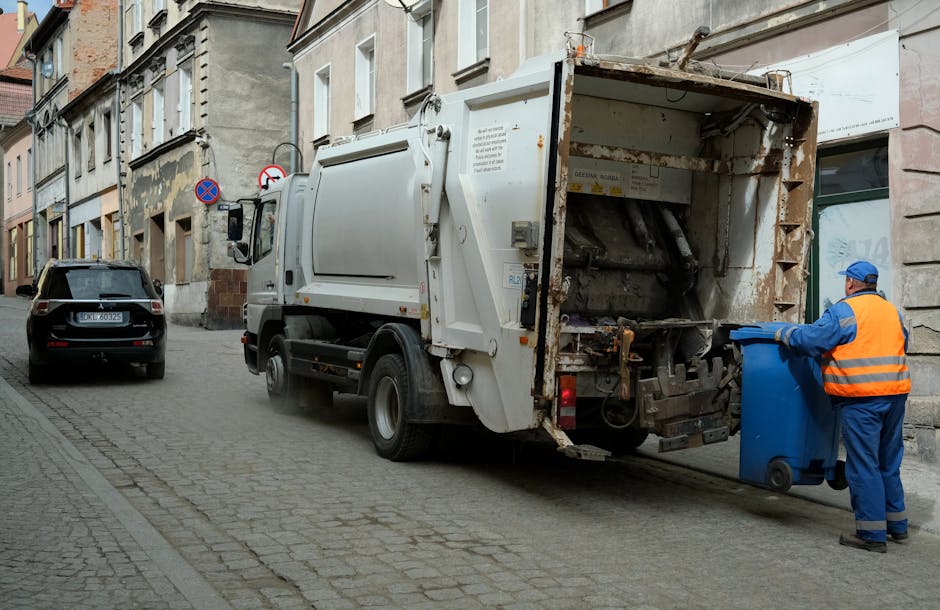
If you live on or near Romford Road, rubbish has a funny habit of building up at the worst possible time. A broken wardrobe leans in the hall, a few black bags wait by the back door, and somehow the loft has become a graveyard for "I'll deal with that later" items. This Manor Park rubbish removal guide for Romford Road homes is here to make the whole thing less stressful, more organised, and a lot more practical.
Whether you are clearing one bulky item or tackling a proper house declutter, the aim is the same: get the waste out safely, keep the process legal, and avoid wasting your weekend. To be fair, most people do not need another vague article telling them to "plan ahead". They need to know what actually works in a busy East London home, what to watch out for, and how to choose the right removal route without overcomplicating it.
In the sections below, you will find a clear step-by-step approach, common mistakes, a comparison of your main options, a practical checklist, and a few grounded tips from the sort of situations households on busy roads run into all the time.
- Why this guide matters for Romford Road homes
- How rubbish removal works in practice
- Benefits and practical advantages
- Who this is for
- Step-by-step guidance
- Expert tips for smoother clearance
- Common mistakes to avoid
- Tools, resources and recommendations
- Law, compliance and best practice
- Options and comparison table
- Real-world example
- Practical checklist
- Conclusion
- Frequently asked questions
Why Manor Park rubbish removal guide for Romford Road homes Matters
Romford Road homes sit in a part of London where space is often tight, parking can be awkward, and waste tends to become a problem faster than you expect. If you are living in a flat, a terraced house, or a converted property, you will know the feeling: one sofa upgrade turns into a corridor blockage, and a weekend loft sort-out suddenly creates more rubbish than your regular bins can handle.
That is why local rubbish removal is not just a convenience. It is a practical way to keep your home safe, maintain access, and prevent waste from drifting into the wrong places. Piles of cardboard, broken furniture, builders' rubble, and old appliances can become trip hazards very quickly. And if you are on a main road, leaving items outside for too long can also create a messy frontage and attract fly-tippers. Not ideal, and frankly a bit of a headache.
There is also the bigger picture. A sensible rubbish removal plan helps you separate reusable items, recyclable materials, and waste that needs special handling. That matters for the environment, but it also matters for your peace of mind. You know where everything is going. No mystery. No dumping things and hoping for the best.
If your project involves a full property clear-out, you may also find it useful to look at house clearance support or broader home clearance services for larger jobs that go beyond one-off rubbish removal.
Key takeaway: the best rubbish removal plan for Romford Road homes is the one that fits your space, timing, access, and waste type without creating extra disruption.
How Manor Park rubbish removal guide for Romford Road homes Works
In practice, rubbish removal usually follows a simple pattern. First, you identify what needs to go. Then you group items by type. After that, you choose the best removal method based on how much waste there is, how quickly it needs to leave, and whether anything requires special handling.
For a typical Romford Road household, the process might look like this:
- Sort the waste into general rubbish, bulky items, recyclable materials, and anything potentially hazardous.
- Check access such as front steps, narrow hallways, rear lane access, lift availability, or parking constraints.
- Decide the removal method - manual carry-out, van collection, skip hire, or a specialist clearance.
- Prepare the items so they can be removed efficiently and safely.
- Load and transport the waste to the appropriate facility or transfer point.
- Handle special items correctly where rules apply, such as fridges, mattresses, or hazardous waste.
One thing people often underestimate is how much time access can add. A bungalow with a wide driveway is a different story from a first-floor flat with a tight stairwell and double-parked cars outside. That does not mean the job is difficult. It just means the method matters.
If you are dealing with mixed household items rather than just general rubbish, you may want to explore specific services such as furniture clearance, mattress and sofa disposal, or fridge and appliance removal. Those pages are helpful if your waste pile includes items that need a bit more care than standard rubbish.
In a well-run removal, the goal is not simply to "take stuff away". It is to remove the right stuff, safely, with as little disruption as possible. Sounds obvious, but that is exactly where the good jobs differ from the messy ones.
Key Benefits and Practical Advantages
There is a reason people search for rubbish removal instead of trying to handle everything themselves. The advantages are practical, immediate, and easy to appreciate once the clutter is gone.
1. You get your space back quickly
A clear hallway, free loft, or emptied spare room changes how a home feels. You can move, clean, decorate, or simply breathe easier. Sometimes the biggest benefit is not dramatic. It is just less friction in daily life.
2. It reduces the risk of injury and damage
Dragging heavy furniture down stairs or lifting sharp, awkward waste can lead to slips, scrapes, and strained backs. A proper removal method limits the "let's just carry it ourselves" chaos that often ends with a dent in the wall. We have all seen that sort of thing happen.
3. It helps you manage mixed waste properly
Not every item belongs in the same pile. Wood, metal, fabrics, appliances, and garden waste often need different handling. A structured clear-out makes sorting much easier and can improve recycling outcomes.
4. It saves time on busy roads
On a road like Romford Road, where parking and loading can be a bit of a dance, efficient waste removal matters. A rushed self-clearance can take much longer than expected, especially if you have to make multiple trips. Nobody enjoys doing that three times in one afternoon.
5. It supports better compliance
Using a responsible waste route reduces the risk of ending up with waste that has been dumped illegally or handled badly. That is particularly important for householders who want a clean, simple paper trail and less worry.
If you are comparing wider clearance options, it can also help to review flat clearance for smaller homes and garage clearance when the clutter is concentrated in one specific area. Different jobs call for different approaches. Simple, really.
Who This Is For and When It Makes Sense
This guide is useful for a broad range of Romford Road homes, but it is especially relevant if you recognise any of these situations:
- You are clearing a rented flat before a move-out.
- You have bulky furniture that will not fit in a car.
- You are dealing with a house full of mixed household waste after years of accumulation.
- You have a loft, garage, or spare room that has become storage rather than living space.
- You are doing a light renovation and need builders' waste taken away.
- You need a quick clear-up after an estate or probate-related property change.
- You simply do not have the time, vehicle space, or physical ability to move waste yourself.
There is no single "right" reason to book rubbish removal. Sometimes it is urgent. Sometimes it is just sensible. Sometimes it is the only realistic option because the items are too awkward, too heavy, or too many. Truth be told, that is most people's situation.
For businesses or mixed-use properties near Romford Road, a more tailored arrangement may be better. In that case, business waste removal or office clearance may suit the job better than a general household collection.
Step-by-Step Guidance
If you want a smooth clearance day, a little prep goes a long way. You do not need a military operation. Just a sensible sequence.
Step 1: Walk through the property
Start with a full look around. Loft, shed, under-stairs cupboard, kitchen, garden corner, hallway. Waste has a habit of hiding in plain sight. Make two mental piles: what stays and what goes.
Step 2: Separate the items by type
Try to group materials before anyone starts lifting. Keep general rubbish apart from furniture, electrical items, cardboard, and anything that looks questionable. If you find items that may be hazardous, do not mix them into the main pile.
Step 3: Measure awkward items
This matters more than people expect. A bulky wardrobe might fit through the front room but not around the stair turn. A fridge may need two people and a clear route. Small detail, big difference.
Step 4: Clear access routes
Move shoes, plant pots, toy boxes, recycling bins, and anything else that could get in the way. Open gates, unlock side access if relevant, and make sure the route to the collection point is safe.
Step 5: Identify special items early
Fridges, freezers, mattresses, sofas, builders' rubble, paint tins, and sharp waste all deserve attention before collection day. Some items can go through standard removal routes; others need special handling. If you are unsure, check the relevant service page or ask for guidance in advance.
Step 6: Choose the right disposal route
For heavier household mixes, a general waste removal service often makes sense. If your job is mostly furniture, use furniture-specific disposal support. If it is a renovation, builders' waste is a better fit than household rubbish. Matching the route to the waste saves time and avoids confusion later.
Step 7: Book and confirm the details
Before the day, confirm the access details, what is included, what is not, and whether anything needs separating. A quick checklist conversation can prevent awkward surprises. And yes, it really does save time.
Step 8: Keep the final area tidy
Once the waste is out, do a quick sweep. Remove dust, check for overlooked pieces behind furniture, and make sure nothing has been left in a stairwell or communal entrance.
Expert Tips for Better Results
These are the small things that make a rubbish removal job feel easy instead of chaotic.
- Take photos before and after. This helps if you are coordinating with a landlord, managing a move, or just want a record of what was removed.
- Keep recyclables visible. Cardboard, metal, and clean wood are easier to separate when they are not buried under mixed bags.
- Do not wait for "one more item". That single extra chair is usually the start of another pile.
- Protect floors and corners. Old towels, cardboard, or blankets can stop scuffs on tight turns and stair edges.
- Use the right service for the job. A sofa collection is not the same as a loft clearance. It seems obvious, but the wrong fit wastes time.
- Ask about recycling and sorting. Responsible removal should not be a black box. You are allowed to ask where different waste streams go.
One quiet trick that helps a lot: put a "keep" bag in every room while sorting. It sounds tiny. It works. You are less likely to accidentally bin the charger, the screws, or that missing remotes drawer, which somehow is always full of batteries and old receipts.
If you want to improve how waste is handled more broadly, take a look at recycling and sustainability. For people who like to understand the process properly, that can be reassuring.
Common Mistakes to Avoid
Most rubbish removal problems are avoidable. The trouble is, they usually come from trying to save a little time up front.
Mixing everything together
If you put electricals, general waste, and hazardous materials into one heap, the job becomes slower and more complicated. Sorting later is always harder than sorting first.
Forgetting about access
People sometimes book a removal without checking stair width, parking restrictions, lift access, or whether the waste can even get out easily. On Romford Road, that can turn a straightforward job into a long carry. Not fun.
Leaving special items for the last minute
Fridges, freezers, and similar appliances often need different handling. So do certain construction wastes. If you wait until collection day to mention them, the plan may need changing.
Overfilling bags and boxes
Overpacked bags split. Boxes collapse. Sharp edges poke through. Keep loads manageable and safer to lift.
Assuming every service covers the same thing
Some providers focus on household waste, others on bulky furniture, and others on renovation debris. If your waste includes a little of everything, check the scope first. Otherwise you may end up booking the wrong thing and paying twice. Bit of a nuisance, honestly.
Ignoring hidden waste
Lofts and garages often hold more than you remember: broken lamps, old paint, cables, and random bags from years ago. A proper sweep before booking avoids awkward surprises on the day.
Tools, Resources and Recommendations
You do not need a lot of equipment, but a few simple tools make the process easier and safer.
| Item | Why it helps | Best for |
|---|---|---|
| Heavy-duty sacks | Safer than weak bags and less likely to split | General rubbish, soft waste, mixed lightweight items |
| Sturdy gloves | Protects against sharp edges, dust, and grime | Loft clear-outs, garages, garden waste |
| Label stickers or tape | Makes sorting faster and clearer | Rooms with mixed keep/take piles |
| Blankets or cardboard sheets | Helps protect floors and door frames | Bulky item removal, stair carries |
| Torches | Useful in lofts, cupboards, and dim rear spaces | House clearances, pre-move sorting |
For more specialised situations, the site also includes pages for builders' waste clearance, garden clearance, and loft clearance. Those are useful if your waste comes from one specific part of the property rather than the whole home.
If the job is mostly old cabinets, tables, wardrobes, or chairs, you might also compare furniture disposal with general waste removal. That small decision can make the process more efficient than it first appears.
Law, Compliance, Standards, or Best Practice
Waste removal in the UK comes with basic responsibilities, even for householders. You do not need to become a compliance expert, but you should know the essentials.
First, waste should go to an appropriate and authorised destination. Fly-tipping, careless dumping, and handing waste to someone who cannot explain where it is going are all red flags. If a collection feels vague, ask questions. A trustworthy provider should be able to explain the process in plain English.
Second, hazardous items need special care. That includes certain chemicals, some paint products, some batteries, and other items that should not simply be mixed into domestic rubbish. When in doubt, treat the item cautiously and ask for guidance before it is moved.
Third, work should be carried out safely. That means sensible lifting, protected access routes, and care around shared hallways or tight entrances. If a clearance provider talks about safety and insurance, that is a good sign. You can also review health and safety policy details and insurance and safety information to understand how a responsible operation approaches risk.
Fourth, data-bearing items should be handled carefully. Old files, paperwork, and devices may contain personal information. If you are disposing of anything sensitive, confidential shredding is worth considering rather than simply mixing documents into general waste.
Best practice is straightforward: sort before lifting, keep hazardous waste separate, use a provider who can explain their process, and never guess with unfamiliar items. That is the safe path, and the sensible one.
Options, Methods, or Comparison Table
There are usually three main ways Romford Road households handle rubbish removal. Which one works best depends on waste type, access, time, and how hands-on you want to be.
| Method | Best for | Pros | Trade-offs |
|---|---|---|---|
| Self-load and tip run | Small loads, light waste, flexible schedules | Potentially lower direct cost, full control | Time-consuming, vehicle needed, multiple trips possible |
| Skip hire | Ongoing projects, larger clear-outs, builder-type waste | Handy for gradual filling, useful for DIY | Needs space, access planning, can be less suitable on tight roads |
| Man-and-van style rubbish removal | Bulky items, mixed household waste, quick turnaround | Fast, less lifting for the homeowner, efficient for awkward items | Requires clear access and accurate description of the waste |
For many Romford Road homes, a collection-based approach is the easiest. It suits places where parking is difficult, items are bulky, or you simply want the work gone in one visit. Skip hire can still be useful, though, especially for longer renovations or repeat DIY stages. If you want to compare what can safely go into a skip, the page on what can go in a skip is a sensible starting point.
There is no universal winner here. The right method is the one that fits your real-life situation, not the neat brochure version of it.
Case Study or Real-World Example
A typical Romford Road scenario goes like this. A family clears a front bedroom that has quietly become storage after a house move. There is an old wardrobe, a broken chest of drawers, two bags of general clutter, a mattress, and a box of cables no one has touched in years.
At first glance, the room looks manageable. Then they start moving items and realise the wardrobe will not fit down the stairs in one piece. The mattress is awkward. The cable box contains a few electrical bits that should not be mixed into general waste. And the hallway is just narrow enough to make every turn a bit of a faff.
The sensible move is to sort the items first, choose the right clearance method, and keep the route clear before collection. In this kind of case, a mixed household clearance works better than a series of small DIY trips. The family gets the room back in one go, the access is handled properly, and the stress level drops almost immediately. You can actually hear the room feel different once it is empty. Less clutter, less noise, less pressure.
If the same home had included a loft full of old suitcases and a garden full of broken pots, the job could have been expanded into a broader house clearance or a combination of room-specific services. That flexibility is often the difference between a tidy weekend and an exhausting one.
Practical Checklist
Use this checklist before booking or starting a rubbish removal job.
- Walk through every relevant room, loft, shed, and storage space.
- Separate general waste from furniture, appliances, recyclables, and hazardous items.
- Measure large or awkward pieces if access looks tight.
- Clear hallways, stairways, and entrance routes.
- Check whether parking or loading space is available.
- Identify anything that needs special handling, such as fridges or confidential papers.
- Choose the right service based on the actual waste mix.
- Confirm what is included before collection day.
- Protect floors, walls, and corners if heavy items need moving.
- Do a final sweep after removal so nothing is left behind.
If you are handling a more detailed clear-out, it can also help to review pricing and quotes information before you book. Knowing how the job is likely to be assessed makes everything calmer.
Conclusion
A good rubbish removal plan for Romford Road homes is not about doing everything the hard way. It is about choosing the smartest route for your space, your waste, and your schedule. Start with sorting, think carefully about access, and match the removal method to the actual job in front of you.
That approach keeps your home safer, your clear-out faster, and the whole process a lot less frustrating. Whether you are dealing with a single bulky item, a garage full of clutter, or a fuller house clearance, the same principle applies: plan a little, sort a little, and let the waste leave in one clean move. Nice and simple, really.
If you are ready to move from planning to action, there is a straightforward next step.
Get a free quote today and see how much you can save.
Sometimes the best feeling is not the quote itself. It is looking at the empty space afterwards and realising the job is finally, properly done.
Frequently Asked Questions
What is the best rubbish removal option for Romford Road homes?
For many homes on or near Romford Road, a collection-based rubbish removal service is the easiest option because it handles bulky items, mixed waste, and awkward access in one visit. Skip hire can still be useful for longer DIY projects or ongoing clear-outs.
Can I put furniture with general rubbish?
It is usually better to separate furniture from general rubbish. Sofas, wardrobes, beds, and similar items are easier to remove through a furniture-specific service, which can improve efficiency and reduce confusion on collection day.
What should I do with a fridge or freezer?
Fridges and freezers should be handled as special items rather than being lumped into normal household waste. They often need separate treatment, so it is sensible to arrange appliance removal or ask for guidance before moving them.
How do I know if my waste counts as hazardous?
If the item could leak, react, spill, or pose a health risk, treat it cautiously. Paint tins, chemicals, some batteries, and similar materials often require special handling. If you are unsure, do not guess - ask first.
Is rubbish removal better than skip hire for flats?
Often, yes. Flats commonly have tighter access, less space outside, and more parking restrictions. In those cases, rubbish removal can be more practical because the waste is taken away directly without needing a skip left on the street.
How can I prepare my home before collection?
Sort items into piles, clear hallways, unlock access points, and move anything fragile out of the way. A little preparation makes the job quicker and safer, especially in narrow properties or shared entrances.
What items are commonly removed from Romford Road homes?
Common items include old furniture, mattresses, broken appliances, garden waste, loft clutter, cardboard, bags of mixed household rubbish, and renovation debris. Every home is different, but those are the usual suspects.
Do I need to be home during the removal?
Usually, yes, at least at the start, so you can confirm what is being removed and answer any access questions. Some jobs are straightforward enough that you may not need to stay the whole time, but that depends on the arrangement.
How do I avoid last-minute delays?
Be clear about the waste type, the quantity, and the access situation. Mention anything bulky, heavy, awkward, or unusual in advance. That single step prevents a lot of awkward back-and-forth later.
Can rubbish removal help with a full house declutter?
Yes. In fact, full-house clear-outs are one of the most useful times to use professional waste removal. It helps you clear room by room without making repeated trips or living around piles of unwanted items for weeks.
What happens if there is more waste than expected?
If there is more waste than first estimated, the plan may need adjusting. That is why a proper walk-through before the job matters. It is much easier to deal with surprises early than halfway through loading.
Where can I find more information about sustainability or mixed waste handling?
You can review the site's recycling and sustainability guidance to understand how different waste streams are typically managed and why sorting matters.